
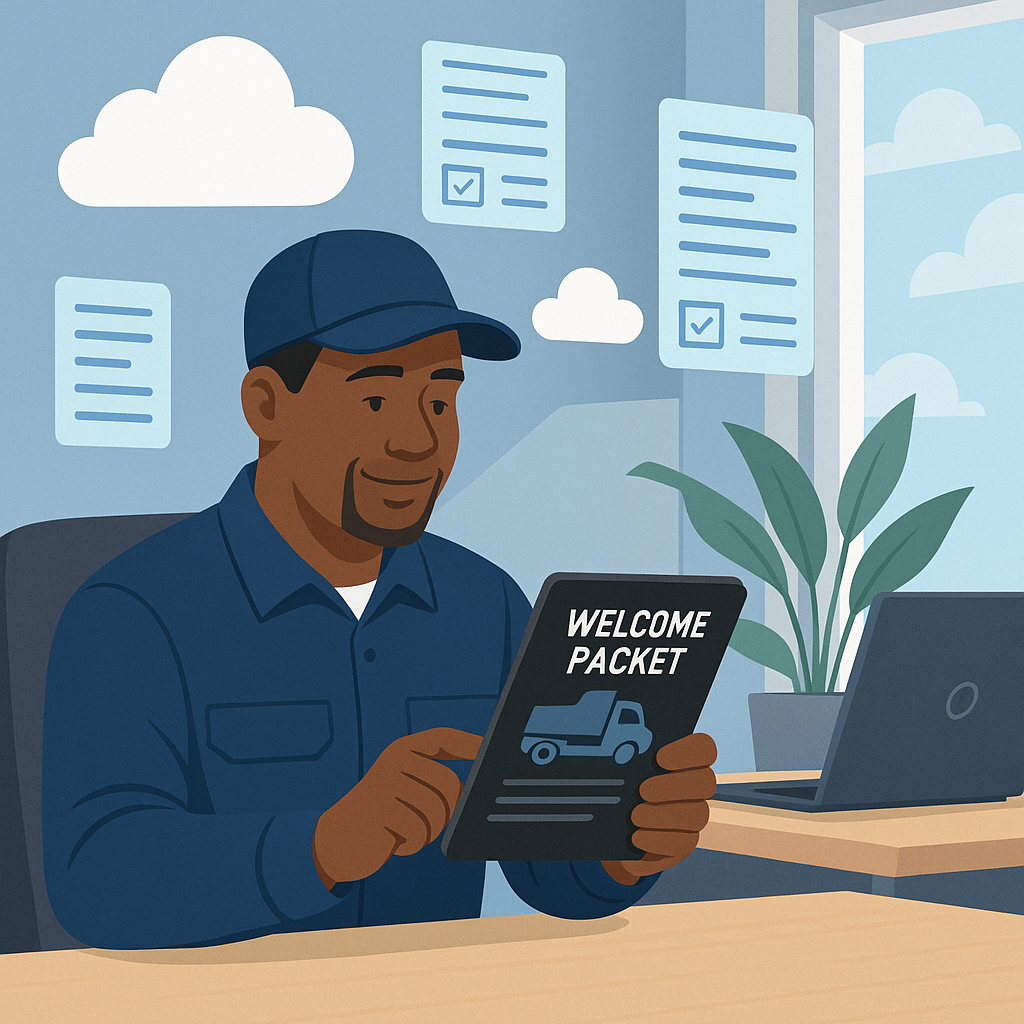
The onboard new truck drivers effectively is more than simply paperwork, and it is a matter of making sure your workforce is long-term successful, safe, and satisfied. A systematic truck driver onboarding program provides not only confidence to new drivers but also the reinforcement of compliance with industry regulations and a culture of safety starting from day one. We will look at the best practices for welcoming and training your future colleagues, i.e., the drivers on the road today, by using the across-the-board tools and strategies that progressive carriers, including Trucking Talent, are implementing.
Pre‑Boarding Essentials
Before a driver steps into your orientation room, essential documentation and screening procedures should be cleared to check for any obstacles that can slow their start and to minimize the possible delays. The performing of background checks and the collection of forms can be automated as a means of both accelerating the hiring process and enhancing the decision-making accuracy.
| Task | Owner | Timeline |
| Background screening & MVR order | HR / Safety | 2–3 weeks before start |
| Electronic submission of FMCSA forms | Driver | 1–2 weeks before start |
| Drug & alcohol consent & scheduling | Driver / HR | 1 week before start |
| ELDT completion verification | Training Team | At least 72 hours before orientation |
| Welcome packet & company handbook | HR | Delivered via email |
- Automated Background Checks: Leverage cloud‑based platforms that handle disclosures, MVR pulls, and test scheduling electronically. Automation cuts days off the process and keeps candidates engaged rather than on manual paperwork.
- Digital FMCSA Compliance: Make sure that all entries for drug & Alcohol Testing, Entry‑Level Driver Training (ELDT), and Clearinghouse registration are submitted and confirmed online prior to Day 1.
- Clear Communication: Send drivers a digital welcome packet with the orientation schedules, company policies, and links to initial training modules so they arrive informed and ready to learn.
Structured Orientation & Training

A complete orientation is a blend of classroom instruction, practical exercises, and policy discussions that ensures the new hires get a comprehensive overview of the most critical procedures, safety, and compliance requirements. Applying interactive learning resources helps the drivers to remember essential details.
| Time | Session |
| 08:00–09:00 | Welcome & FMCSA Regulatory Briefing |
| 09:00–11:00 | Company Policies & Safety Philosophy |
| 11:00–12:00 | Vehicle Systems & ELD Training |
| 12:00–13:00 | Lunch Break |
| 13:00–15:00 | Hands‑On Inspection & Securement Drill |
| 15:00–16:00 | Q&A and Next Steps |
- Regulatory Overview: Introduce FMCSA policies relating to the hours of service, vehicle inspections, and liability coverage. You may adjust content according to the particular state rules and thus help the drivers and your fleet stay safe.
- Company Culture & Safety Philosophy: Make clear your safety vision, incident-reporting protocols, and performance expectations. Use real-life cases or short case studies to illustrate the importance of the best practices.
- Hands‑On Equipment Training: Now is the time for the drivers to get acquainted with their vehicle’s controls, telematics systems, and electronic logging devices. Virtual simulators can safely mimic emergency situations, like braking on a wet surface or tight backing, until a new driver is on the road.
- Interactive Safety Drills: Given the opportunity to witness live demonstrations on pre-trip inspections, cargo securement techniques, and proper use of personal protective equipment (PPE), drivers will also have the opportunity to interact with these exercises and quizzes which will reinforce learning and create engagement.

Technology‑Enabled Learning & Support
Modern onboarding has now upgraded to mobile applications, simulators, and digital tracking which are used to give long-term practical training and engaging to new drivers even after the orientation day.
- Virtual Reality & Driving Simulators: Immersive tools replicate freeway conditions that are used in heavy traffic and foul weather driving simulators which can practice drivers lane changes, backing maneuvers, and emergency protocols in a risk-free environment.
- Mobile Learning Portals: This feature will enable drivers to accomplish their training assignments, sign documents, and review treatment on their smartphones. This removal of wasted time will limit the need for downtime and will give drivers more time to read during layovers.
- In-Cab Telematics & Dashcams: Early access to in-cab technology helps drivers realize the monitoring of fuel efficiency, safety alerts, and performance metrics from Day 1. Automated coaching tips, for example, the highlighting of braking patterns or periods of idle time, give immediate feedback for improvement.
- Progress Tracking Dashboards: Centralized dashboards help trainers and managers in tracking completion rates, quiz scores, and performance on-the-road. Being able to see the real-time status makes it simpler to send reminders that are greatly focused or to arrange follow-ups as soon as some gaps are noticed.
Through these tools, carriers will enjoy the efficient digital and hands-on learning that is in line with the industrial on-demand standards of today, which they are creating: https://truckingtalent.com/hire-truck-driver.
Mentorship & Performance Evaluation
Aligning each rookie driver with one seasoned mentor not only secures the learning of best practices but also cultivates accountability, confidence, and belongingness.
- Mentor Assignment: Pair newcomers with drivers who have knowledge of routes, equipment, or regions. Mentors demonstrate the ropes, offer route planning tips, and share safety knowledge.
- Ride‑Along Sessions: Organize two to three monitored journey trips in the first month to give mentors the opportunity to see the practical application of the orientation training and correct any deficiencies in safety.
- Regular Check‑Ins: Every week, during the first 90 days, management should meet with the driver to discuss queries about performance, metrics, and compliance. These meetings can be virtual or in person, depending on operational demands.
- Performance Metrics: Drivers can be assessed on proficiency (like the ability to handle routes on their own), safety standards (i.e., injury rates related to harsh braking), and adherence to regulations (i.e., audit results). This assessment can be used to steer personalized training and the selection of further teaching materials.
Straightforward and harmonious feedback channels motivate improvements and let drivers know that their growth is appreciated.
Learning & Retention
The onboarding process still resumes after the orientation. Continuous training effects and on-the-spot evaluations aid in keeping skills at the range, motivation eternal, and safety up to the moment always.
- Quarterly Refresher Courses: Conducting miniature crash courses on cargo securement, Hours of Service rules, and defensive driving to avert procedural drifting.
- Regulatory Update Modules: Anytime FMCSA standards or state law changes, short e-learning units should be delivered. This kind of approach could train drivers on compliance prospects without the need for a full re-orientation.
- Peer‑Led Safety Huddles: Encouraging drivers to meet every month to exchange near-miss reports, advisory, and best practices. That way of cooperation will give your entire fleet the chance to the aggregate intelligence factor of it.
- Recognition & Incentive Programs: Present awards, bonus payments, or public acknowledgment to the drivers who excel in performance and safety ratings. Using positive reinforcement is one of the best tactics for engagement and also has a very good effect on turnover rates.
Measuring Onboarding Success
Tracking key metrics is crucial for refining your program and demonstrating ROI. Regular review helps identify bottlenecks — like paperwork delays or low quiz scores — and adjust processes accordingly.
| Metric | Description | Target |
| 30‑/60‑/90‑Day Retention Rate | Percentage of drivers still active after period | ≥ 90 percent |
| Time to Independent Route | Days from orientation to solo route handling | ≤ 21 days |
| Safety Incident Rate | Preventable incidents per 10,000 miles | ≤ 1.0 |
| Compliance Audit Pass Rate | Percentage of drivers passing surprise audits | ≥ 95 percent |
| Mentor Feedback Score | Mentor ratings of new driver readiness | ≥ 4.5 / 5.0 scale |
To summarize
A top-notch truck driver onboarding program could see a combination of digital tools, a systematic orientation, hands-on mentorship, and periodic assessments. Allowing pre-boarding tasks to be automated, adopting immersive VR training, providing individual sponsors, and performance tracking are the routes that will ensure success for carriers concerning the cost of safety, compliance, and driver turnover. Cumulatively, whether on a small scale or an enterprise operation, deploying these best practices will allow new drivers to feel well-prepared, supported, and fully loaded with knowledge and experience. The company associated with Trucking Talent is an excellent choice as they provide professional help and customized solutions for a smooth transition from a good to a best-in-class onboarding program.